
How Living Documents Can Help You Take More (And Better) Notes
When you stop focusing on making a note “perfect”, you start making more notes.
 Worth the Wake
Exploring different ways to reach your goals, breaking down classic “productivity” techniques, and more.
When you stop focusing on making a note “perfect”, you start making more notes.
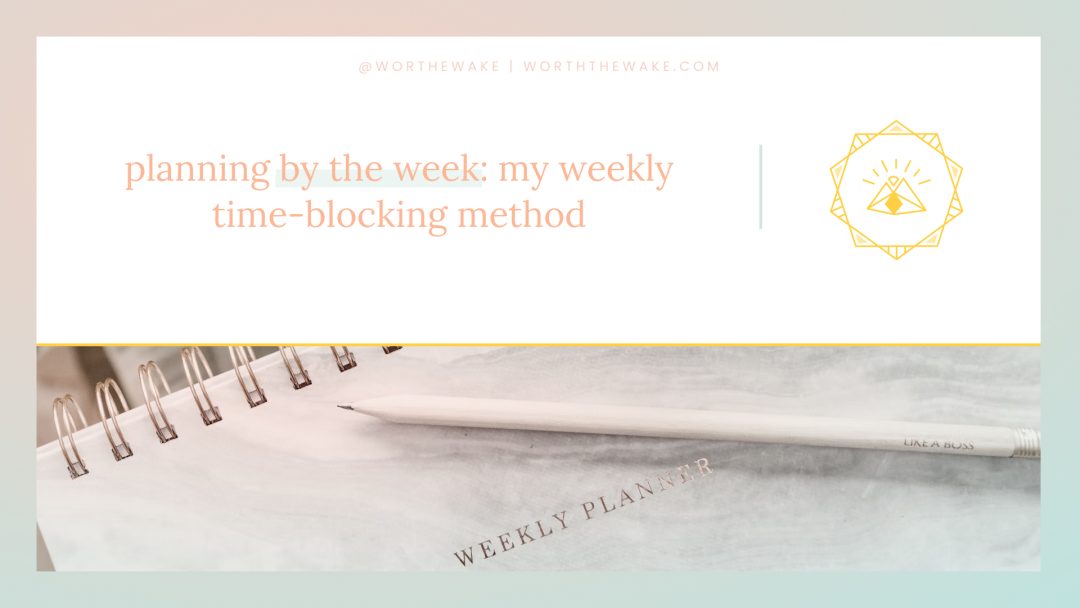
A week can be a perfect unit of time to plan around. Here’s how you can leverage the power of the weekly unit to focus your priorities and manage your intentions.

With the use of technology becoming more and more a necessity these days, the struggles of keeping a physical space tidy is no longer our only worry: we now have to think about our digital workspaces as well. A file structure paves the way through your clutter and towards finding the right file, for whenever you need it the most.
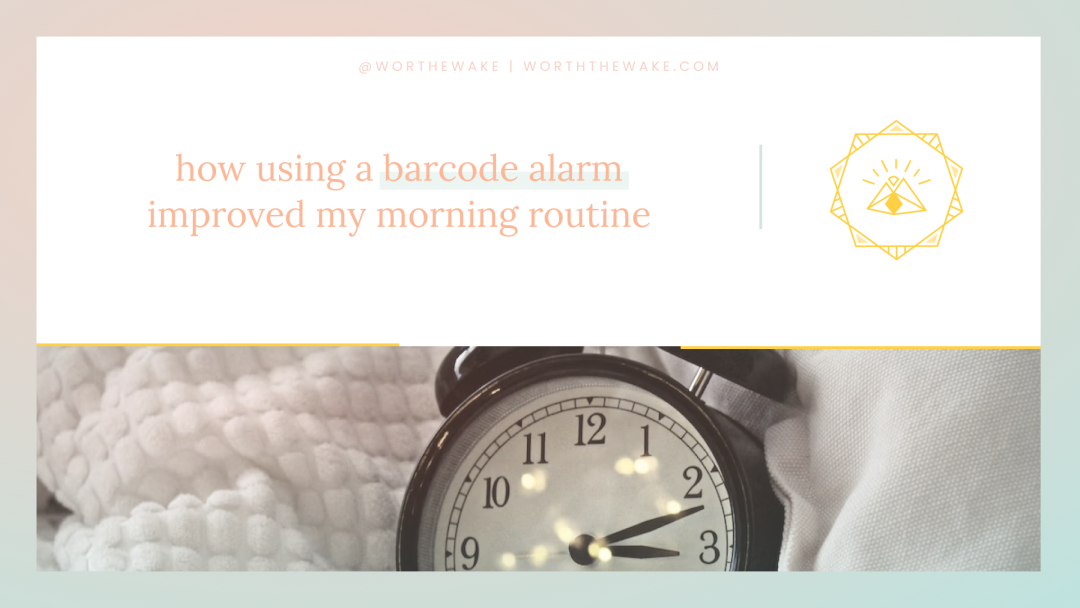
The reality of work or school starting at a set time, typically early in the morning, is unfortunately a fact of life for many of us. This can sometimes become a hindrance to achieving the optimal amount of sleep. For some others, it could directly be misaligned to our natural chronotype or circadian rhythm. To address the punctuality that work demands, we turn to alarms, a tool now heavily associated with waking up in today’s day and age. And a barcode alarm might be just the type of alarm that can get you through that dreadful morning slump.
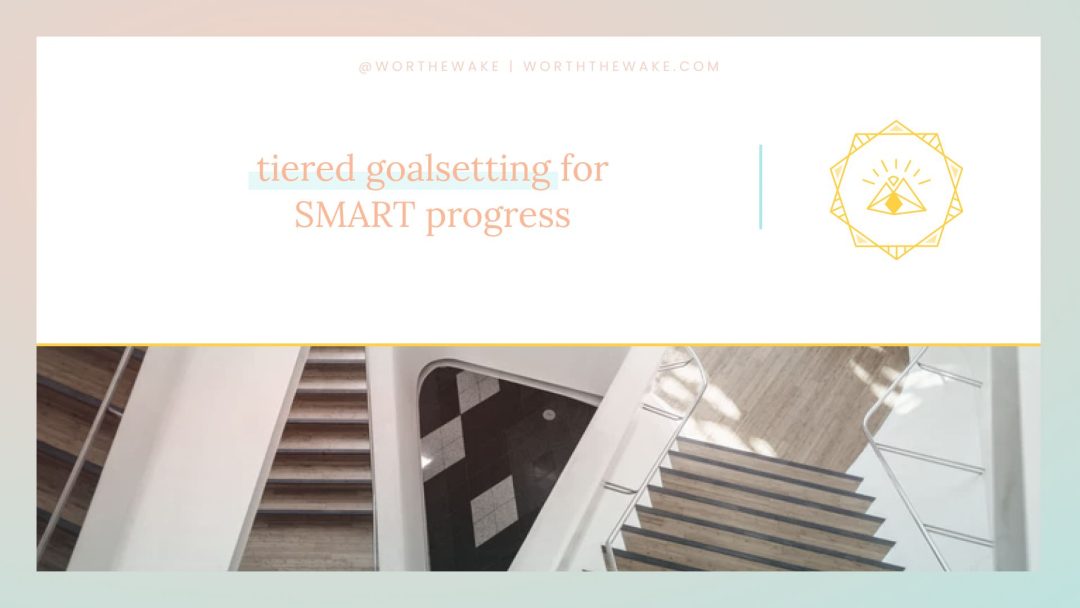
So you need a goalsetting system that keeps you focused. One that treats the journey with the same respect as it does the end destination. That’s where tiered goals might be able to help you. Combined with good everyday habits and a willingness to begin, a tiered goal infrastructure just might help you take that first step–or do that first pushup.

The idea of a weekly review seems helpful, but what sort of questions should you ask yourself, anyway? For those who want structure, enter the 6R Framework: a set of–naturally–six questions you can ask yourself each week to process past events and look towards the future.